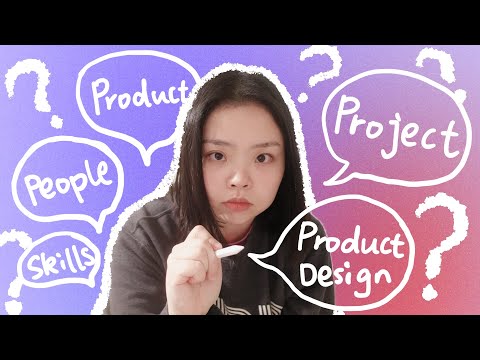
For people deciding whether UX or product design suits them and what a realistic route into a first junior role looks like. You will be able to judge the fit, understand how the roles differ and plan a six-month path towards a portfolio.
10 lessons · 1 hr 40 min, plus 2 optional (29 min more with the optional lessons)
Start here: a plain definition of UX design, the work involved and who tends to thrive in it.
An introduction to UX design as a career path: what the work involves, what kinds of people tend to thrive in it, how to break into the field, and how much it can pay. Aimed at people who have never considered UX before.
Adds the difference between UI, UX and product design, the role names you will meet next.
A short explainer that distinguishes UI design, UX design and product design and says what product design means. It is aimed at viewers who are new to these roles.
Adds a day-to-day view of product design, including the teams and kinds of products involved.
A product designer explains what the role involves day to day, including working on B2C, B2B and internal products, collaborating with product and cross-functional teams, the meetings involved, and the hard and soft skills the job needs.
Adds a self-check: signs to look for that show whether this career suits your own interests.
A designer shares how she knew UX/product design was the right career for her and lists signs to look for when judging whether the career suits you. It is aimed at people deciding whether to enter the field.
Adds the realities of entry, such as competition for junior roles and early pay, so your decision is informed.
A designer with three years of experience describes why the UX design job market may be a difficult entry point, covering competition, early pay, and the realities of the industry. It is aimed at people considering a move into UX or product design.
Adds a balanced 2025 outlook on demand, degree expectations and salary before you commit.
Samuel Fabayo discusses why UX design has been an attractive career over the last seven years and what to consider before becoming a UX designer in 2025. The video covers a short history of UX, the value of a design degree, salaries, the field's impact, its downsides, and its future.
Adds a month-by-month six-month roadmap that turns your decision into a concrete schedule.
A month-by-month roadmap for someone wanting to become a UX/UI designer without a degree, bootcamp or prior experience. It moves from learning UX processes and tools to UX patterns, portfolio building and job searching, with linked resources for each stage.
Adds practical self-teaching steps, including informational interviews and a self-started project.
A step-by-step plan for teaching yourself UX design without a bootcamp or online course, covering informational interviews, building a portfolio, starting a personal project, choosing a design tool, and publishing work online. It is aimed at people who want to start in UX design from scratch.
Adds how to choose and structure a first UX/UI project, the core piece for your portfolio.
A walkthrough of how to create a first UX/UI project, with a link to a case study the presenter refers to. It is aimed at people starting out in UX and UI design who want a first project to show.
Adds a comparison of free resources and bootcamps, plus tailoring applications for junior roles.
A step-by-step guide for people switching into UX design with no degree or design background, covering free learning resources, choosing a bootcamp, building a portfolio with projects, using AI in the workflow, finding a mentor, and tailoring a resume for junior roles.
Optional if you choose a bootcamp: adds tips on prework, finding mentors and studying portfolios.
A UX designer with Amazon experience shares five tips for getting the most from a UX bootcamp, covering prework, portfolio study, finding mentors and studying graphic design for UI. It is aimed at people starting a career in UX.
Optional: adds an example of a first case study, showing what a finished portfolio piece looks like.
A designer shares how she built her first UX design case study, covering context, research, design, testing and final prototype, with feedback from reviewers at Facebook and Google. It is aimed at people preparing their own UX portfolio.
For beginners considering UX design as a career. You will understand the main design roles, choose a realistic route into the field, and know how to find and land a first design job.
For beginners who want to understand UX research and run a first user interview or usability test. You will be able to choose a suitable method, plan a short study and make sense of what you find.
For complete beginners who want a clear map of UX, from core ideas and research methods to wireframes and basic UI choices. You will be able to explain UX and run simple research and reviews.
For designers with some UX experience who want to apply product strategy, research, testing and microcopy to real products. You will be able to frame product decisions, plan remote usability tests, and review interface text.
;}.cls-2{fill:%2358d687;}.cls-3{fill:url(%23Degradado_sin_nombre_10);}.cls-4{fill:url(%23Degradado_sin_nombre_31);}.cls-5{fill:%238030d1;}.cls-6{fill:url(%23Degradado_sin_nombre_23);}%3c/style%3e%3clinearGradient%20id='Degradado_sin_nombre_17'%20x1='129.39'%20y1='83.35'%20x2='56.4'%20y2='162.54'%20gradientUnits='userSpaceOnUse'%3e%3cstop%20offset='0'%20stop-color='%23287d8c'/%3e%3cstop%20offset='1'%20stop-color='%2350b5db'/%3e%3c/linearGradient%3e%3clinearGradient%20id='Degradado_sin_nombre_10'%20x1='449.01'%20y1='190.97'%20x2='266.02'%20y2='78.2'%20gradientUnits='userSpaceOnUse'%3e%3cstop%20offset='0'%20stop-color='%23ffe286'/%3e%3cstop%20offset='1'%20stop-color='%23ffcd1d'/%3e%3c/linearGradient%3e%3clinearGradient%20id='Degradado_sin_nombre_31'%20x1='99.7'%20y1='309.69'%20x2='146.19'%20y2='485.35'%20gradientUnits='userSpaceOnUse'%3e%3cstop%20offset='0.01'%20stop-color='%23ff9464'/%3e%3cstop%20offset='1'%20stop-color='%23b3553a'/%3e%3c/linearGradient%3e%3clinearGradient%20id='Degradado_sin_nombre_23'%20x1='547.05'%20y1='208.96'%20x2='252.56'%20y2='438.86'%20gradientUnits='userSpaceOnUse'%3e%3cstop%20offset='0'%20stop-color='%23ff7da1'/%3e%3cstop%20offset='1'%20stop-color='%23f20b4f'/%3e%3c/linearGradient%3e%3c/defs%3e%3ctitle%3efavicon%3c/title%3e%3cg%20id='_Group_'%20data-name='<Group>'%3e%3cg%20id='_Group_2'%20data-name='<Group>'%3e%3cg%20id='_Group_3'%20data-name='<Group>'%3e%3cpath%20id='_Path_'%20data-name='<Path>'%20class='cls-1'%20d='M232.54,165.43a124.47,124.47,0,0,1-106.95,60.76h0A101.77,101.77,0,0,1,23.82,124.41V0L132.31,95.94A517.46,517.46,0,0,0,232.54,165.43Z'/%3e%3cpath%20id='_Path_2'%20data-name='<Path>'%20class='cls-2'%20d='M250,0V101.78a123.87,123.87,0,0,1-17.46,63.65A517.46,517.46,0,0,1,132.31,95.94L23.82,0Z'/%3e%3cpath%20id='_Path_3'%20data-name='<Path>'%20class='cls-3'%20d='M476.18,226.19a518.87,518.87,0,0,1-243.64-60.76A123.87,123.87,0,0,0,250,101.78V0A226.12,226.12,0,0,1,476.18,226.19Z'/%3e%3cpath%20id='_Path_4'%20data-name='<Path>'%20class='cls-4'%20d='M232.54,334.57a517.71,517.71,0,0,0-100.23,69.54L23.82,500V375.59A101.77,101.77,0,0,1,125.59,273.81h0A124.47,124.47,0,0,1,232.54,334.57Z'/%3e%3cpath%20id='_Path_5'%20data-name='<Path>'%20class='cls-5'%20d='M250,398.22V500H23.82l108.49-95.89a517.71,517.71,0,0,1,100.23-69.54A123.87,123.87,0,0,1,250,398.22Z'/%3e%3cpath%20id='_Path_6'%20data-name='<Path>'%20class='cls-6'%20d='M476.18,273.81A226.12,226.12,0,0,1,250,500V398.22a123.87,123.87,0,0,0-17.46-63.65A518.87,518.87,0,0,1,476.18,273.81Z'/%3e%3c/g%3e%3c/g%3e%3c/g%3e%3c/svg%3e)