Under 15 minutes

Design Ethics in under 15 minutes

This collection suits designers, product teams and curious learners who want a quick grounding in ethical design. Each video is 15 minutes or less and covers a clear angle on manipulative or responsible design.

What you’ll learn

  • Recognise dark patterns such as hidden charges and false urgency in interfaces.
  • Apply simple questions and tests to spot deceptive design in your own product screens.
  • Explain how habit-forming features like infinite scroll keep people engaged.
  • Distinguish ethical persuasion from manipulation when designing for trust.
  • Use references ethically, drawing inspiration without copying other designers' work.

Videos

  • Institute of Emerging Careers 11 min Beginner

    An Urdu-language lesson on the difference between copying and drawing inspiration from other designers' UX work, covering how to spot design plagiarism and use references ethically. It is aimed at Pakistani students building an original portfolio.

  • NNgroup 4 min Beginner

    A short NN/g video explaining what deceptive patterns are and two questions designers can ask to avoid tricking or deceiving users. It is aimed at designers and teams who want to build trust and protect long-term goals.

  • Collect & Contrast 14 min Beginner

    The video examines how scammers use design principles such as persuasive visuals, typography and hierarchy to deceive victims. It dissects real-life examples and explains the psychology behind these tactics.

  • Lumiverse Solutions Pvt Ltd 7 min Beginner

    Explains dark patterns, the manipulative interface tactics such as hidden charges, hard-to-cancel subscriptions and false urgency, and how India's CCPA guidelines regulate them. It also covers best practices for transparent, ethical user experiences and UX audits, aimed at businesses.

  • Maddy Beard UX 15 min Beginner

    The video explains what mindful design means, framed as ethical and humane design. It offers ways to design more mindful products whatever the company, clients or team, with actionable steps for a design process.

  • DearJenn 6 min Beginner

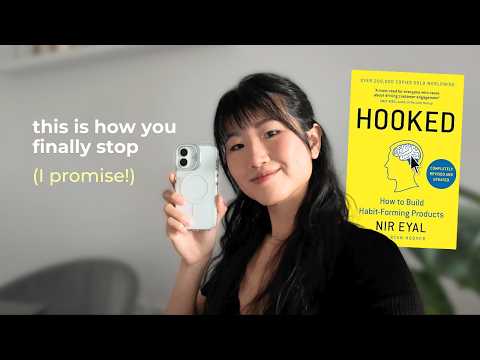
    A product designer explains how apps use behavioural psychology, such as variable rewards and internal triggers from the Hook Model, to keep people scrolling. The video also offers ways to reduce screen time and reclaim focus. It is aimed at general viewers curious about phone habits and app design.

  • Brom Sulaiman 7 min Beginner

    Explains five UX patterns that social media platforms use to hold attention, including infinite scroll, autoplay, FOMO triggers and loss aversion. It covers how these patterns work and how viewers can break free from them.

  • UX Poland 8 min Intermediate

    A designer at OpenTable shares stories of how restaurants gather information about diners, some to serve their own agenda and others to create immersive experiences. The talk ends with principles for judging when using personal information is proper and when it is questionable.

  • yuj 8 min Intermediate

    The video contrasts persuasion design, which aims to give users what they need, with deceptive dark patterns that manipulate users into decisions they did not intend and erode trust. It argues for transparency and designs that respect users' choices.

  • Design for Change with Jagadeesh 6 min Intermediate

    Explains how to spot dark patterns in product screens and audit them with four tests: transparency, symmetry, reversibility and consequence. Uses a loan example to weigh business growth against informed user choice. Aimed at UX and product designers.

  • ProductAI Academy 6 min Intermediate

    The video explains behavioral psychology frameworks that product teams use to design habit-forming apps, and how to apply them ethically. It also covers how the same frameworks can shape user stories. It is aimed at product designers and product managers.

  • UXDA | Financial UX Design 13 min Intermediate

    This episode explains how dark patterns in digital banking, such as hidden fees and confusing cancellation processes, manipulate users and erode trust. It introduces Dopamine Banking as an ethical, transparent, user-centred alternative for designers and product teams in financial services.

Search and sort within Design Ethics in under 15 minutes

All paths
  • Learning pathBeginner → IntermediateDesign Ethics

    Ethical Design: Spotting and Avoiding Dark Patterns

    This path is for designers and product makers who are new to ethical design. You will learn to recognise dark patterns and addictive features, understand the harm they cause, and start designing more mindfully.

    9 lessons · 1 hr 51 min, plus 1 optional

  • Learning pathBeginner → IntermediateSustainable Design

    Sustainable Design and Digital Carbon Footprints

    For designers new to sustainability who want to understand digital carbon footprints and see these ideas applied in real talks. By the end you will be able to explain core terms and judge how your own design choices affect the planet.

    8 lessons · 2 hr 29 min, plus 2 optional

  • Learning pathIntermediateDesign Ethics

    Auditing Dark Patterns and Designing Honest Alternatives

    For intermediate designers who want to judge when persuasion becomes manipulation. You will be able to audit real flows for dark patterns and propose honest redesigns that respect user choice.

    7 lessons · 1 hr 56 min, plus 2 optional

  • Learning pathIntermediate → AdvancedDesign Ethics

    Ethics in Design: Power, Harm and Responsibility

    For designers ready to look past usability to the harms their products can cause. You will examine power, engagement, privacy and research ethics, and learn to raise these questions with your team and at scale.

    9 lessons · 5 hr 18 min, plus 1 optional