Leadership Path for Designers: From Making to Leading
For designers who want to understand why design matters, find their own direction, and take first steps from doing the work to leading people and projects. It suits those new to design or moving into their first leadership role.
7 lessons · 4 hr 56 min, plus 1 optional (83 min more with the optional lessons)
Start here: opens with why design matters, using everyday examples that need no prior background.
A conversation with author Scott Berkun about his book How Design Makes the World, which uses everyday examples to explain how design shapes modern products and society. Topics include how designers and engineers think differently, how UX relates to unexpected natural examples, and how product constraints shape good design.
Turns the question of why design matters into a personal one: how to discover what you are good at.
Chris Do and guests reflect on how to discover what you are good at, how to find a purpose-driven life, and whether a passion can become a living. It is an emotional, personal talk from The Futur's Euro Tour closing event, aimed at creatives unsure of their direction.
DesignX: Design Leadership & Community · 28 min · Beginner
Adds a working designer's account of the decisions that shaped a career, helping you think about your own direction.
Chris Govias of Canadian Digital Services shares his personal journey as a designer and the decisions that shaped his career. The talk was given at the 2019 Ladders Conference for early-stage designers.
DesignX: Design Leadership & Community · 60 min · Beginner
Adds practical career advice from two designers, giving concrete next steps to close the beginner stage.
A conversation between designer Aaron Draplin and Paul Syng covering Draplin's design journey and his advice for people pursuing a design career. Presented at Remote Design Week 2021.
Moves from making things to leading people, covering priorities, imposter syndrome and the trade-offs involved.
A Design Better podcast episode in which former design leader Mia Blume discusses the move from individual contributor to team leader, including managing priorities, handling imposter syndrome and being vulnerable on the job. It is aimed at designers considering or starting a management role.
Adds listening and presence, a practical leadership skill, before hearing a leader's own account.
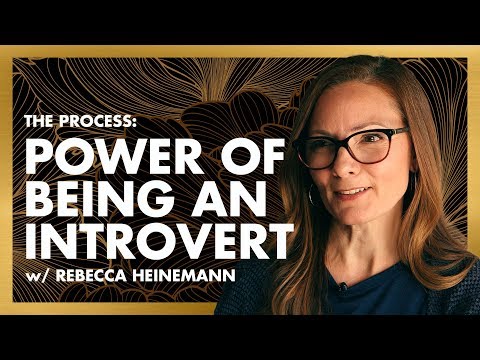
Chris Do and Rebecca discuss how introverts can treat their introversion as a strength, covering listening, selective filtering of information, goal setting, and managing fear, ego and anxiety. The conversation is aimed at creative professionals who want to build confidence and a personal approach to their work.
Julie Zhuo on leading versus managing, and what she got right and wrong, to finish the path.
Julie Zhuo, VP of Product Design at Facebook and author of The Making of a Manager, recalls her early professional experiences and how she became a design leader known for building strong teams. She explains the difference between leading and managing and shares personal examples for advancing a career.
Optional and longer: covers time management and feeling overwhelmed, which new leads often struggle with.
Matthew Encina and Ben Burns discuss how they manage time, handle feeling overwhelmed and work with clients on design projects. They share methods such as task lists, bullet journaling, sorting messages by urgency, and padding time estimates.
For designers starting freelance work who want to find clients, set fair prices and present proposals with confidence. You will be able to win first clients, protect your work and qualify budgets before you pitch.
For experienced researchers and research leads who want to run research operations, shared repositories and executive alignment. You will be able to scale research across an organisation and show its impact.
For design leaders growing a team into a department. You will learn to plan structure and hiring, measure design's business impact and lead through change.
For product people who want to facilitate Foundation Sprints and remote design sprints, and win stakeholder support for them. You will be able to run the sessions and make a clear case for sprints to your organisation.
;}.cls-2{fill:%2358d687;}.cls-3{fill:url(%23Degradado_sin_nombre_10);}.cls-4{fill:url(%23Degradado_sin_nombre_31);}.cls-5{fill:%238030d1;}.cls-6{fill:url(%23Degradado_sin_nombre_23);}%3c/style%3e%3clinearGradient%20id='Degradado_sin_nombre_17'%20x1='129.39'%20y1='83.35'%20x2='56.4'%20y2='162.54'%20gradientUnits='userSpaceOnUse'%3e%3cstop%20offset='0'%20stop-color='%23287d8c'/%3e%3cstop%20offset='1'%20stop-color='%2350b5db'/%3e%3c/linearGradient%3e%3clinearGradient%20id='Degradado_sin_nombre_10'%20x1='449.01'%20y1='190.97'%20x2='266.02'%20y2='78.2'%20gradientUnits='userSpaceOnUse'%3e%3cstop%20offset='0'%20stop-color='%23ffe286'/%3e%3cstop%20offset='1'%20stop-color='%23ffcd1d'/%3e%3c/linearGradient%3e%3clinearGradient%20id='Degradado_sin_nombre_31'%20x1='99.7'%20y1='309.69'%20x2='146.19'%20y2='485.35'%20gradientUnits='userSpaceOnUse'%3e%3cstop%20offset='0.01'%20stop-color='%23ff9464'/%3e%3cstop%20offset='1'%20stop-color='%23b3553a'/%3e%3c/linearGradient%3e%3clinearGradient%20id='Degradado_sin_nombre_23'%20x1='547.05'%20y1='208.96'%20x2='252.56'%20y2='438.86'%20gradientUnits='userSpaceOnUse'%3e%3cstop%20offset='0'%20stop-color='%23ff7da1'/%3e%3cstop%20offset='1'%20stop-color='%23f20b4f'/%3e%3c/linearGradient%3e%3c/defs%3e%3ctitle%3efavicon%3c/title%3e%3cg%20id='_Group_'%20data-name='<Group>'%3e%3cg%20id='_Group_2'%20data-name='<Group>'%3e%3cg%20id='_Group_3'%20data-name='<Group>'%3e%3cpath%20id='_Path_'%20data-name='<Path>'%20class='cls-1'%20d='M232.54,165.43a124.47,124.47,0,0,1-106.95,60.76h0A101.77,101.77,0,0,1,23.82,124.41V0L132.31,95.94A517.46,517.46,0,0,0,232.54,165.43Z'/%3e%3cpath%20id='_Path_2'%20data-name='<Path>'%20class='cls-2'%20d='M250,0V101.78a123.87,123.87,0,0,1-17.46,63.65A517.46,517.46,0,0,1,132.31,95.94L23.82,0Z'/%3e%3cpath%20id='_Path_3'%20data-name='<Path>'%20class='cls-3'%20d='M476.18,226.19a518.87,518.87,0,0,1-243.64-60.76A123.87,123.87,0,0,0,250,101.78V0A226.12,226.12,0,0,1,476.18,226.19Z'/%3e%3cpath%20id='_Path_4'%20data-name='<Path>'%20class='cls-4'%20d='M232.54,334.57a517.71,517.71,0,0,0-100.23,69.54L23.82,500V375.59A101.77,101.77,0,0,1,125.59,273.81h0A124.47,124.47,0,0,1,232.54,334.57Z'/%3e%3cpath%20id='_Path_5'%20data-name='<Path>'%20class='cls-5'%20d='M250,398.22V500H23.82l108.49-95.89a517.71,517.71,0,0,1,100.23-69.54A123.87,123.87,0,0,1,250,398.22Z'/%3e%3cpath%20id='_Path_6'%20data-name='<Path>'%20class='cls-6'%20d='M476.18,273.81A226.12,226.12,0,0,1,250,500V398.22a123.87,123.87,0,0,0-17.46-63.65A518.87,518.87,0,0,1,476.18,273.81Z'/%3e%3c/g%3e%3c/g%3e%3c/g%3e%3c/svg%3e)