This collection is for designers, researchers and product people who want short, focused videos on UX research methods, careers and practice. Each video is 15 minutes or less, so you can pick up one idea at a time.
12 videos · 1 hr 38 min
What you’ll learn
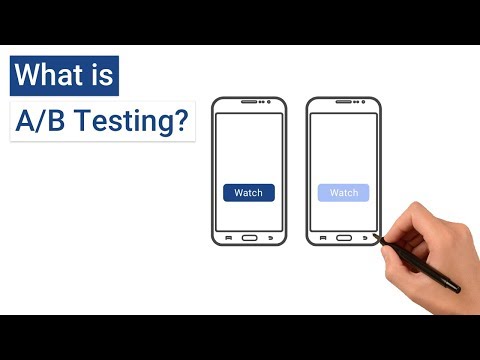
✓Explain what A/B testing and ethnography are and where they fit in UX research
✓Describe how rapport affects user sessions and how to build it
✓Run or watch a think-aloud prototype test and see how participants respond
✓Present research results to stakeholders using clear, persuasive framing
✓Weigh the career routes into UX research, from portfolios to using AI and SQL
A short explainer defining ethnography as a user research method and what it involves. It suits people new to UX research who want a first understanding of the term.
A UX researcher introduces their channel and outlines what it covers: UX research methods and best practices, career guidance for advancing in the field, and tips for grad school. It is aimed at people exploring UX research or moving into it.
Explains what rapport is, why it matters at work and in everyday life, and how to build it at the content, para-verbal, non-verbal and verbal levels. Aimed at product people, designers and researchers who run conversations with users and stakeholders.
Raw footage of a think-aloud prototype testing session, shown side by side with the participant on the right and the screen contents they were viewing on the left.
A short video from UX trainer David Travis answering a question from a user researcher who struggles to present research results. It discusses whether researchers can work behind the scenes or need to give presentations.
A bonus Q&A session where a UX researcher answers audience questions on research for pre-launch products, tips for entering UX research given the current job market, and how to choose a strength to showcase in a job interview.
The video asks whether generative AI puts UX researchers at risk of replacement. It covers how AI can support research work, shows example prompts the presenter has used, and discusses the risks and what the future of UX research may look like.
A Q&A clip from Carl Pearson's 'SQL for UXRs' session, answering researchers' questions about where and how to practise querying databases, using AI as an assistive tool, and understanding how data is stored and accessed within an organisation.
The video argues that UX researchers should borrow marketing ideas to get stakeholders to notice, engage with and act on their research. It applies the AIDA model (Attention, Interest, Desire, Action) with tips on short reports, subject lines, emotional appeal and clear calls to action. It is aimed at working UX researchers.
Shows an example user research session in which people give their views on Slack's pricing model. It is useful for designers who want to see how pricing questions can be explored with users.
For beginners who want to understand UX research and run a first user interview or usability test. You will be able to choose a suitable method, plan a short study and make sense of what you find.
For researchers who already run studies and want sharper interviews and tests, plus ways to get findings acted on. You will be able to plan, run and present research that shapes product decisions.
For experienced researchers and research leads who want to run research operations, shared repositories and executive alignment. You will be able to scale research across an organisation and show its impact.
For researchers and designers who want to use AI in interviews, analysis and testing, and who need to know where human judgment still matters. You will be able to plan AI-assisted studies and check their output.
;}.cls-2{fill:%2358d687;}.cls-3{fill:url(%23Degradado_sin_nombre_10);}.cls-4{fill:url(%23Degradado_sin_nombre_31);}.cls-5{fill:%238030d1;}.cls-6{fill:url(%23Degradado_sin_nombre_23);}%3c/style%3e%3clinearGradient%20id='Degradado_sin_nombre_17'%20x1='129.39'%20y1='83.35'%20x2='56.4'%20y2='162.54'%20gradientUnits='userSpaceOnUse'%3e%3cstop%20offset='0'%20stop-color='%23287d8c'/%3e%3cstop%20offset='1'%20stop-color='%2350b5db'/%3e%3c/linearGradient%3e%3clinearGradient%20id='Degradado_sin_nombre_10'%20x1='449.01'%20y1='190.97'%20x2='266.02'%20y2='78.2'%20gradientUnits='userSpaceOnUse'%3e%3cstop%20offset='0'%20stop-color='%23ffe286'/%3e%3cstop%20offset='1'%20stop-color='%23ffcd1d'/%3e%3c/linearGradient%3e%3clinearGradient%20id='Degradado_sin_nombre_31'%20x1='99.7'%20y1='309.69'%20x2='146.19'%20y2='485.35'%20gradientUnits='userSpaceOnUse'%3e%3cstop%20offset='0.01'%20stop-color='%23ff9464'/%3e%3cstop%20offset='1'%20stop-color='%23b3553a'/%3e%3c/linearGradient%3e%3clinearGradient%20id='Degradado_sin_nombre_23'%20x1='547.05'%20y1='208.96'%20x2='252.56'%20y2='438.86'%20gradientUnits='userSpaceOnUse'%3e%3cstop%20offset='0'%20stop-color='%23ff7da1'/%3e%3cstop%20offset='1'%20stop-color='%23f20b4f'/%3e%3c/linearGradient%3e%3c/defs%3e%3ctitle%3efavicon%3c/title%3e%3cg%20id='_Group_'%20data-name='<Group>'%3e%3cg%20id='_Group_2'%20data-name='<Group>'%3e%3cg%20id='_Group_3'%20data-name='<Group>'%3e%3cpath%20id='_Path_'%20data-name='<Path>'%20class='cls-1'%20d='M232.54,165.43a124.47,124.47,0,0,1-106.95,60.76h0A101.77,101.77,0,0,1,23.82,124.41V0L132.31,95.94A517.46,517.46,0,0,0,232.54,165.43Z'/%3e%3cpath%20id='_Path_2'%20data-name='<Path>'%20class='cls-2'%20d='M250,0V101.78a123.87,123.87,0,0,1-17.46,63.65A517.46,517.46,0,0,1,132.31,95.94L23.82,0Z'/%3e%3cpath%20id='_Path_3'%20data-name='<Path>'%20class='cls-3'%20d='M476.18,226.19a518.87,518.87,0,0,1-243.64-60.76A123.87,123.87,0,0,0,250,101.78V0A226.12,226.12,0,0,1,476.18,226.19Z'/%3e%3cpath%20id='_Path_4'%20data-name='<Path>'%20class='cls-4'%20d='M232.54,334.57a517.71,517.71,0,0,0-100.23,69.54L23.82,500V375.59A101.77,101.77,0,0,1,125.59,273.81h0A124.47,124.47,0,0,1,232.54,334.57Z'/%3e%3cpath%20id='_Path_5'%20data-name='<Path>'%20class='cls-5'%20d='M250,398.22V500H23.82l108.49-95.89a517.71,517.71,0,0,1,100.23-69.54A123.87,123.87,0,0,1,250,398.22Z'/%3e%3cpath%20id='_Path_6'%20data-name='<Path>'%20class='cls-6'%20d='M476.18,273.81A226.12,226.12,0,0,1,250,500V398.22a123.87,123.87,0,0,0-17.46-63.65A518.87,518.87,0,0,1,476.18,273.81Z'/%3e%3c/g%3e%3c/g%3e%3c/g%3e%3c/svg%3e)