Learning path

Building Design Influence in Large Organisations

For designers and design leads working in large or resistant organisations who want to win support for design. You will learn how to diagnose blockers, make the case to executives, and plan change that lasts.

What you’ll learn

  • Diagnose why design stays isolated in a large or resistant organisation
  • Explain the business value of design to executives and non-designer stakeholders
  • Plan a culture-change effort that combines top-down support and bottom-up practices
  • Handle resistance and set realistic goals for a design change initiative

Lessons

  1. Optimal 30 min Intermediate

    Start here: why design stays siloed in large organisations, and first practical ways to change how leaders see its value.

    A talk from UX New Zealand 2019 on why design practices remain isolated pockets in large organisations, and practical ways design teams can change how those organisations perceive the value of design. It suits designers working inside larger companies.

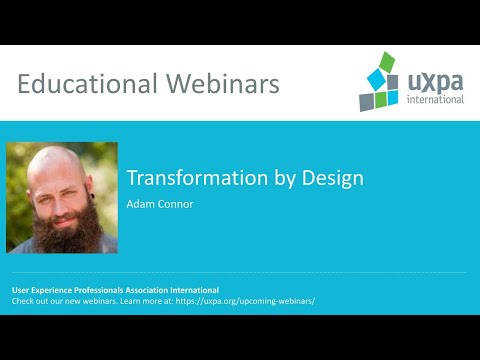
  2. UXPAInternational 58 min Intermediate

    Adds a diagnostic frame: how organisational culture helps or blocks collaboration, empathy and iteration before you try tactics.

    A webinar presented by Adam Connor on why bringing design ideas like collaboration, empathy and iteration into organizations is hard, and how organizational culture shapes that work. It explores organizational design and behavior change as lenses for building strategies that support human-centered practices.

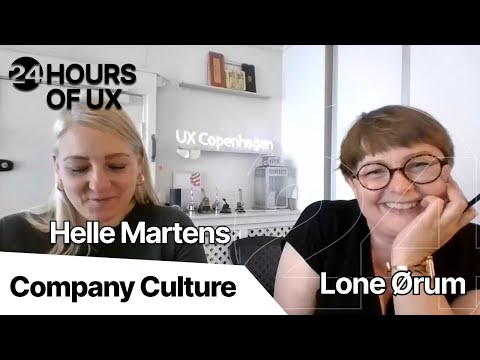
  3. 24 Hours of UX 32 min Intermediate

    Moves the diagnosis to your own position: how governance, employee experience and bias limit UX influence, and what to do.

    A talk by Helle Martens and Lone Ørum on how company culture, employee experience, governance and biases affect the influence of UX designers inside an organisation. The discussion covers what designers can do to change these conditions, plus a Q&A on careers and Agile.

  4. Aurelius 47 min Intermediate

    Turns influence into buy-in: how to explain design's value to executives and stakeholders in terms they care about.

    A conversation with Scott Berkun about his book How Design Makes the World. It covers remote work for design and UX teams, creating workplaces where UX professionals can do their best work, and explaining the value of design to executives and stakeholders.

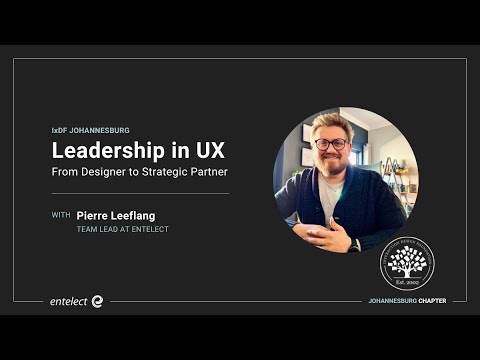
  5. IxDF Johannesburg 48 min Intermediate

    Shifts from advocacy to leadership: mindset changes and ways to align UX work with business goals as a strategic partner.

    A talk on moving from hands-on UX design into leadership, covering the mindset shifts, skills and challenges involved and how to gain stakeholder buy-in and align UX with business goals. It is aimed at UX professionals considering or entering team lead roles.

  6. NNgroup 4 min Intermediate

    Optional short note on reporting lines: how centralised versus product-embedded UX teams affect design maturity and awareness.

    Explains the benefits and drawbacks of UX work done in a centralized UX team versus within a product team. It covers how each reporting structure affects organizational UX maturity, awareness of UX, and practitioners' craft.

  7. Human Centred Design United Arab Emirates 49 min Intermediate

    Applies buy-in to legacy organisations: explaining service design's business value and combining top-down and bottom-up shifts.

    A meetup talk in which Suhaib, an innovation and product strategy professional, explains the business value of service design in plain English. It covers how legacy organisations can adopt human-centred design, how to keep initiatives focused on impact rather than optics, and how culture shift can be driven, measured and sustained.

  8. Service Design Show 62 min Intermediate

    Optional deeper dive: treating culture as a design material, shaped through small everyday practices rather than mandates.

    A Service Design Show episode with Dan Szuc on treating organisational culture as a design material that can be shaped. It covers practical techniques such as practice spotting and moments that matter, and where to start when existing culture resists change.

  9. HeyMarvin 61 min Intermediate

    Closes the path with handling resistance, researching before problem-solving, and setting realistic goals so change lasts.

    A talk by a co-author of Changemakers on how UX leaders can use design thinking to guide change in organisations. It covers handling resistance, the value of research before problem-solving, communication with stakeholders, and co-creating change with users, clients and colleagues.

Keep going

Want an easier start? Design Culture: Trust, Kindness and Inclusion

All paths in Design Culture

Search and sort within Building Design Influence in Large Organisations

All paths
  • Learning pathBeginner → IntermediateLeadership

    Leadership Path for Designers: From Making to Leading

    For designers who want to understand why design matters, find their own direction, and take first steps from doing the work to leading people and projects. It suits those new to design or moving into their first leadership role.

    7 lessons · 4 hr 56 min, plus 1 optional

  • Learning pathIntermediateLeadership

    Leading a Design Team: From People to Decisions

    For designers moving into lead roles who want to manage people, work with product and engineering, and make decisions that the wider business can follow.

    8 lessons · 4 hr 38 min

  • Learning pathIntermediateDesign Culture

    Building a Healthy Design Culture

    For designers and team leads who want feedback, craft and team habits that hold up over time. You will learn to handle critique, run safer feedback sessions and support wellbeing in your team.

    4 lessons · 84 min, plus 1 optional

  • Learning pathIntermediateBusiness Strategy

    Using Design to Find, Choose and Scale Business Ideas

    For designers and product people who want to use design to find, choose and scale ideas, and to show the business value of that work. You will be able to pick strong ideas, plan how they grow, and make the case for them.

    7 lessons · 4 hr 23 min, plus 2 optional